

|
|
||
|
|||
|
|||||||||||||||||||||||||||||||||||||||||||||||||||||||||||
|
|||||||||||||||||||||||||||||||||||||||||||||||||||||||||||
[ Windows 10 / Windows 10 Pro ] |
|
||||||||||||||||||||||||||||||||||||||||||||||||||||||||||
[ The explanation is based on Windows 10/Windows 10 Pro. ] ※ Checked version : 1511/1607/1703/1709/1803/1809/1903/1909/2004/20H2/21H2/22H2 ● If you want to display Sleep in the Power section of the Start screen, please do the following:
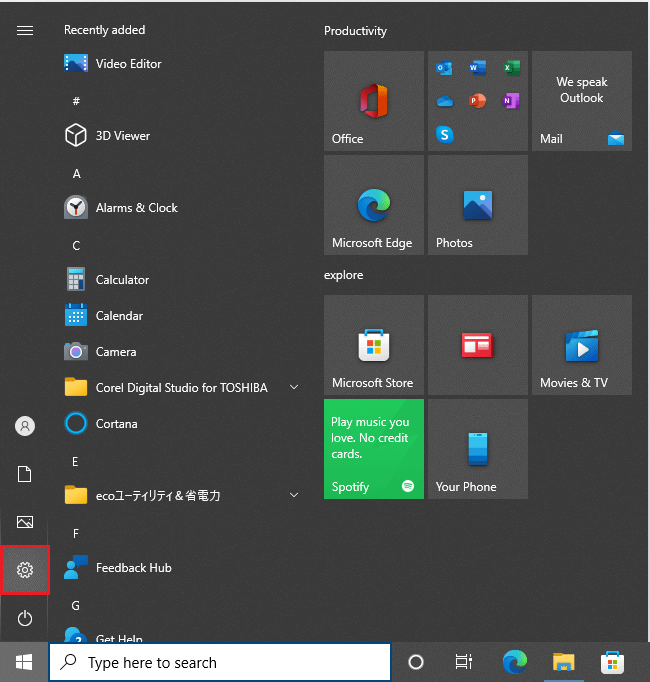
1. Click the Start button on the desktop.
2. Click "Settings" in the menu that appears.
3. When the "Windows Settings" screen appears, click "System."
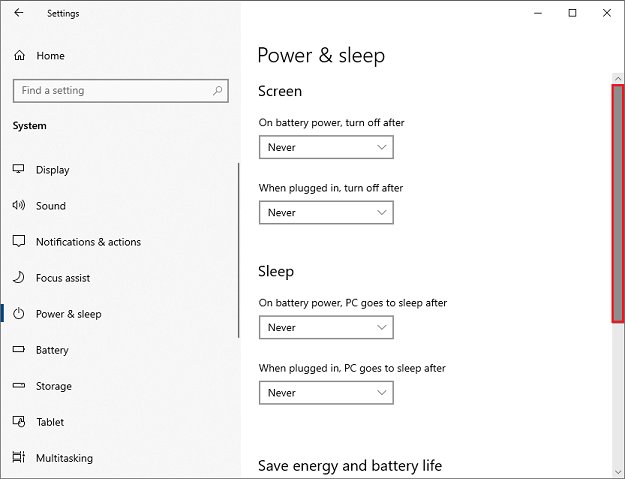
4. When the "System" screen appears, click "Power & Sleep."
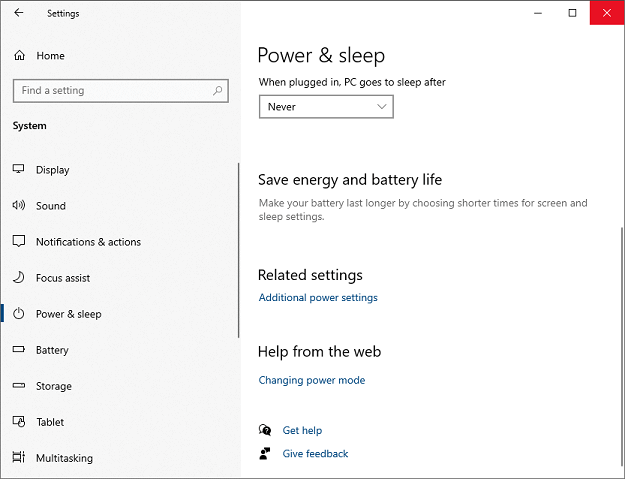
5. Click and hold the top or bottom "scroll bar" to scroll the screen downwards.
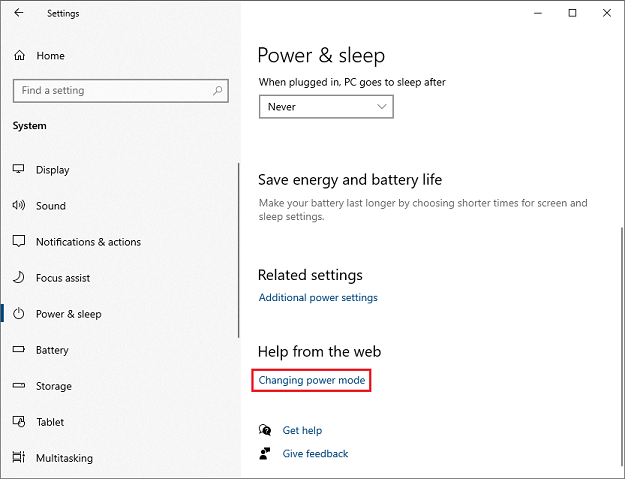
6. When the "Related Settings" screen appears, click "Checking Power Mode."
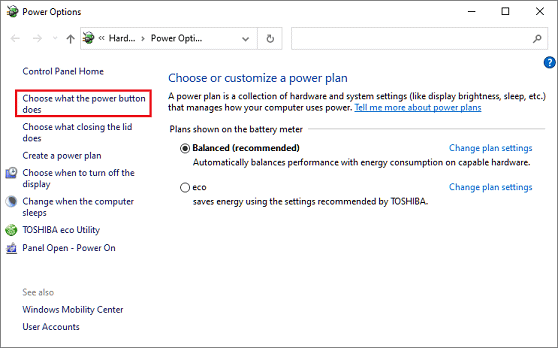
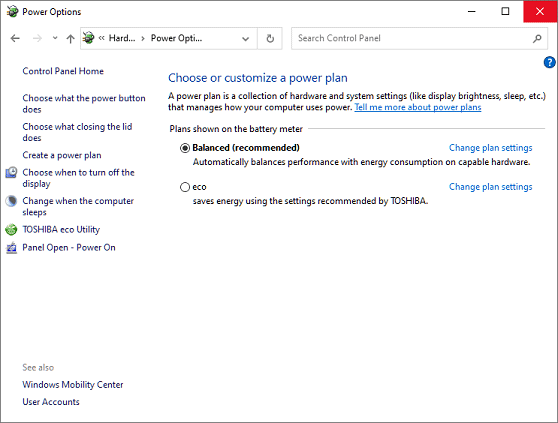
7. When the "Power Options" screen appears, click "Choose what the power buttons does."
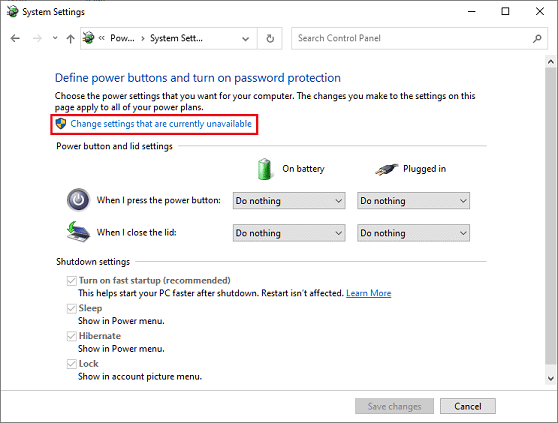
8. Click Change settings that are currently unavailable.
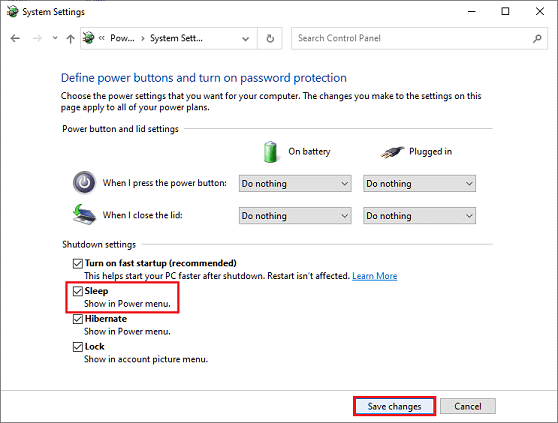
9. When the "Shutdown settings" item appears, check "Sleep" and click the "Save changes" button.
10. When you return to the "Power Options" screen, click the "Close" button.
11. When you return to the "Power & Sleep" screen, click the "Close" button.
12. Click the Start button on the desktop.
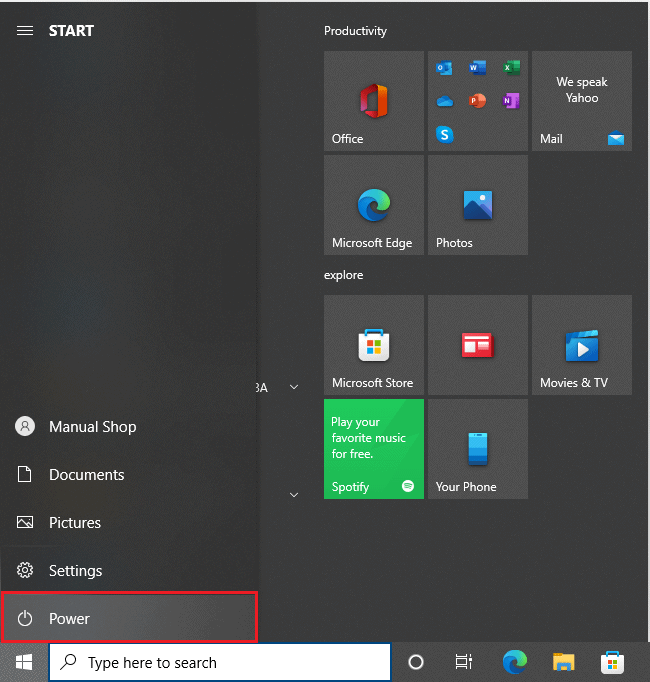
13. When the Start screen appears, click "Power."
14. When the Start screen appears, click "Power."
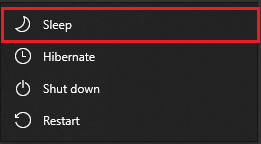
15. Make sure there is a "Sleep" option in the menu that appears. The operation to display sleep in the power item on the Start screen is complete.
This is how to display sleep in the power item on the Start screen. |
|||||||||||||||||||||||||||||||||||||||||||||||||||||||||||